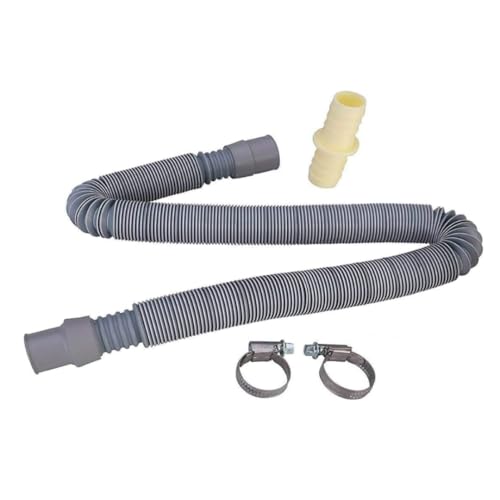
Mastering Hose Clips A Complete Guide for 2026 Projects
Hose clips are often overlooked yet play a crucial role in various applications, from plumbing to automotive industries. As we approach the year 2026, understanding the types, uses, and installation techniques of hose clips becomes essential for both professionals and DIY enthusiasts. This guide will delve into the intricacies of hose clips, offering valuable insights to ensure that your projects are executed with precision and reliability.
Understanding Hose Clips
Hose clips, also known as hose clamps, are devices used to attach and seal a hose onto a fitting. They are available in various materials and designs, each suited for different applications. The most common types include worm gear clips, spring clips, and ear clips. Worm gear clips are adjustable and made of stainless steel, making them perfect for plumbing and automotive applications. Spring clips are often used in situations where a quick-release mechanism is desirable. Ear clips, on the other hand, are typically employed in low-pressure situations and are ideal for securing hoses in place without the need for tools.
Choosing the Right Hose Clip
Selecting the appropriate hose clip is crucial for ensuring a proper seal. Factors to consider include the diameter of the hose, the type of fluid being transported, and the pressure levels involved. For instance, if you are working with high-pressure hoses, it is advisable to opt for stainless steel worm gear clips, as they provide a robust and secure fastening. Alternatively, if you are dealing with low-pressure applications, plastic clips may suffice, offering a lightweight and cost-effective solution.
People Also Look For:
- 4Inch 10FT (3m) Long Flexible Aluminum Air Ducting 100mm, Heavy-Duty White 4 Layer Tumble Dryer Vent Hose, Dryer Duct for HVAC Ven...
- 13 Motorcycle Inline Fuel Filter Kit, 2 x 6mm/8mm Diesel Petrol Filter, 2m Fuel Line & 10 Hose Clamps for Motorcycles & Lawn Mower...
- PATIKIL 3.3Ft Air Conditioner Drain Hose, 1 Set Universal AC Drain Hose Portable Leakproof Air Conditioner Drain Kit with 15mm Hos...
- Drain Hose Adapter Kit, ilauke 3M Universal Washing Machine Hose Extension, Caravan Waste Pipe with Connector Clip Clamp Replaceme...
- Aluminium PVC Ventilation Air Ducting 100mm x 4m Flexible Vent Hose Pipe with 2 Clamps for Universal Tumble Dryer
Installation Techniques
Proper installation is key to ensuring the effectiveness of hose clips. When installing a worm gear clip, it is essential to position the clip around the hose and fitting, ensuring that it is straight and not twisted. Tighten the clip evenly using a screwdriver or a socket wrench, being careful not to overtighten, as this can damage the hose. For spring clips, simply press the clip over the hose and fitting until it snaps into place, ensuring that it is secured correctly. Ear clips require a different approach; you will need to use pliers to crimp the ears of the clip securely.
Maintenance and Inspection
Regular maintenance and inspection of hose clips are vital in preventing leaks and ensuring the longevity of your installations. Inspect the clips for signs of wear or corrosion, particularly in environments exposed to chemicals or moisture. Regularly check the tightness of the clips, as vibrations and temperature fluctuations can cause them to loosen over time. If you notice any damage or degradation, replace the clips immediately to avoid potential failures in your systems.
Applications of Hose Clips
Hose clips are versatile and find applications across numerous fields. In automotive settings, they are crucial for securing radiator hoses, fuel lines, and vacuum hoses. In plumbing, hose clips are essential for connecting pipes and ensuring leak-free joints. Furthermore, they are used in agricultural settings to secure irrigation hoses and in industrial applications for various fluid transport systems. Understanding where and how to apply hose clips effectively can greatly enhance the efficiency of your projects in 2026.
Innovations in Hose Clip Technology
As we look towards 2026, advancements in hose clip technology continue to emerge. Manufacturers are developing clips with improved materials that offer better resistance to corrosion and temperature extremes. Some innovations include clips with built-in sensors that can detect leaks or pressure changes, providing real-time feedback to users. These technological advancements are set to revolutionise how hose clips are utilised, making them even more reliable and effective in various applications.
Final Thoughts on Hose Clips
Mastering the use of hose clips is an invaluable skill for anyone involved in projects requiring fluid transport or connections. With the right knowledge and techniques, you can ensure that your installations are secure, efficient, and long-lasting. As the industry evolves, staying updated with the latest developments and practices will empower you to tackle future projects with confidence. Whether you are a seasoned professional or a beginner, understanding the fundamentals of hose clips is a stepping stone towards successful project execution.