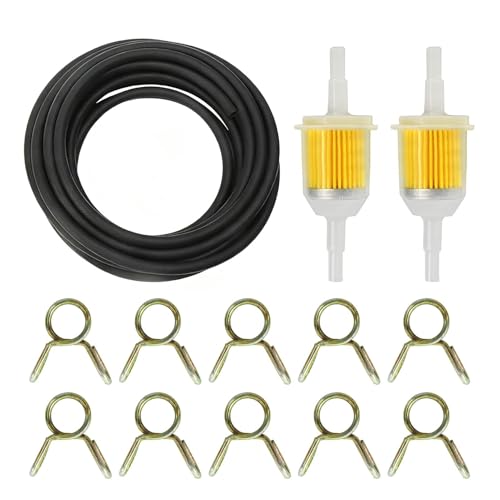
common hose clip blunders that could cost you time and money
Every gardener and DIY enthusiast knows the importance of hose clips. These small yet mighty tools are essential for securing hoses and preventing leaks. However, improper use or selection of hose clips can lead to frustrating problems, wasting both time and money. In this article, we will explore common hose clip blunders and provide practical advice to avoid these pitfalls.
Choosing the Wrong Clip Size
One of the most frequent mistakes is selecting a hose clip that is not the correct size for the hose. A clip that is too large will not provide a snug fit, leading to leaks and inefficiency. Conversely, a clip that is too small can damage the hose or be difficult to install. To prevent this issue, always measure the diameter of your hose before purchasing a clip. Many manufacturers provide size charts, so take advantage of these resources.
Neglecting Material Compatibility
Not all hose clips are created equal. Different materials are suited for varying environments. For instance, stainless steel clips are ideal for outdoor usage due to their resistance to rust and corrosion, while plastic clips may suffice for low-pressure applications. Using the wrong material can lead to premature wear and failure of the clip, resulting in leaks. Always consider the working environment and choose a clip that matches the specific conditions.
People Also Look For:
- Fentar 200CM Diesel Heater Exhaust Pipe, Stainless Steel Exhaust Pipe, Flexible Car Exhaust Tubing, Sturdy Rustproof Car Heater Ga...
- JASSFERRY Stainless Steel Kitchen Sink Single 1.0 Bowl Reversible Top Overflow Hole with Waste Pipes Clips, 980 x 510 mm
- Washing Machine Waste Pipe Extension, 2m Universal Washing Machine Hose with Hose Connector Hose Clamps U Bracket, Replacement Dra...
- URAQT 3PCS Parking Heater Exhaust Pipe, Diesel Heater Exhaust Pipe, Stainless Steel Exhaust Pipe, Air Heater Exhaust Pipe,With 6 S...
- Aluminium PVC Ventilation Air Ducting 100mm x 4m Flexible Vent Hose Pipe with 2 Clamps for Universal Tumble Dryer
Improper Installation Techniques
Even the best hose clips can fail if they are not installed correctly. Over-tightening a clip can damage the hose, while under-tightening can lead to leaks. Use a torque wrench if available, or follow the manufacturer's instructions for tightening. Aim for a snug fit where the clip holds the hose securely without deforming it. Taking the time to install hose clips properly will save you from future headaches.
Ignoring Regular Maintenance
Hose clips can wear out over time, especially if they are exposed to the elements. It is essential to inspect your clips regularly for signs of damage or corrosion. If you notice any issues, replace them immediately to avoid leaks. Regular maintenance not only prolongs the life of your clips but also ensures the efficiency of your entire watering system.
Forgetting to Account for Temperature Changes
Temperature fluctuations can affect the performance of hose clips and hoses alike. In colder weather, materials can contract, while in warmer conditions, they may expand. If your hose clips are not designed to accommodate these changes, you might face issues such as leaks or ruptured hoses. Choose clips that offer some flexibility in their design and regularly check their tightness during seasonal changes.
Using Clips Beyond Their Limits
Every hose clip has a limit to its pressure tolerance. Using a clip that is not rated for the pressure of your system can lead to catastrophic failure. Always check the specifications of the clip against the requirements of your hose system. If you are unsure, seek advice from a knowledgeable supplier or refer to the manufacturer's guidelines.
Neglecting to Keep Spare Clips Handy
Another common blunder is not having spare hose clips on hand. Leaks and failures can happen unexpectedly, and waiting for replacements can lead to wasted water and increased costs. Keep a selection of clips in various sizes and materials in your toolkit, so you are always prepared for emergencies.
Overlooking the Importance of Quality
Finally, one of the biggest mistakes is opting for the cheapest hose clips available. While it may be tempting to save money upfront, low-quality clips can lead to failures that cost much more in the long run. Investing in high-quality clips designed for your specific needs will ensure reliability and peace of mind.